
Why Babies Don’t “Self-Soothe”: The Nervous System Connection Between Parent and Child
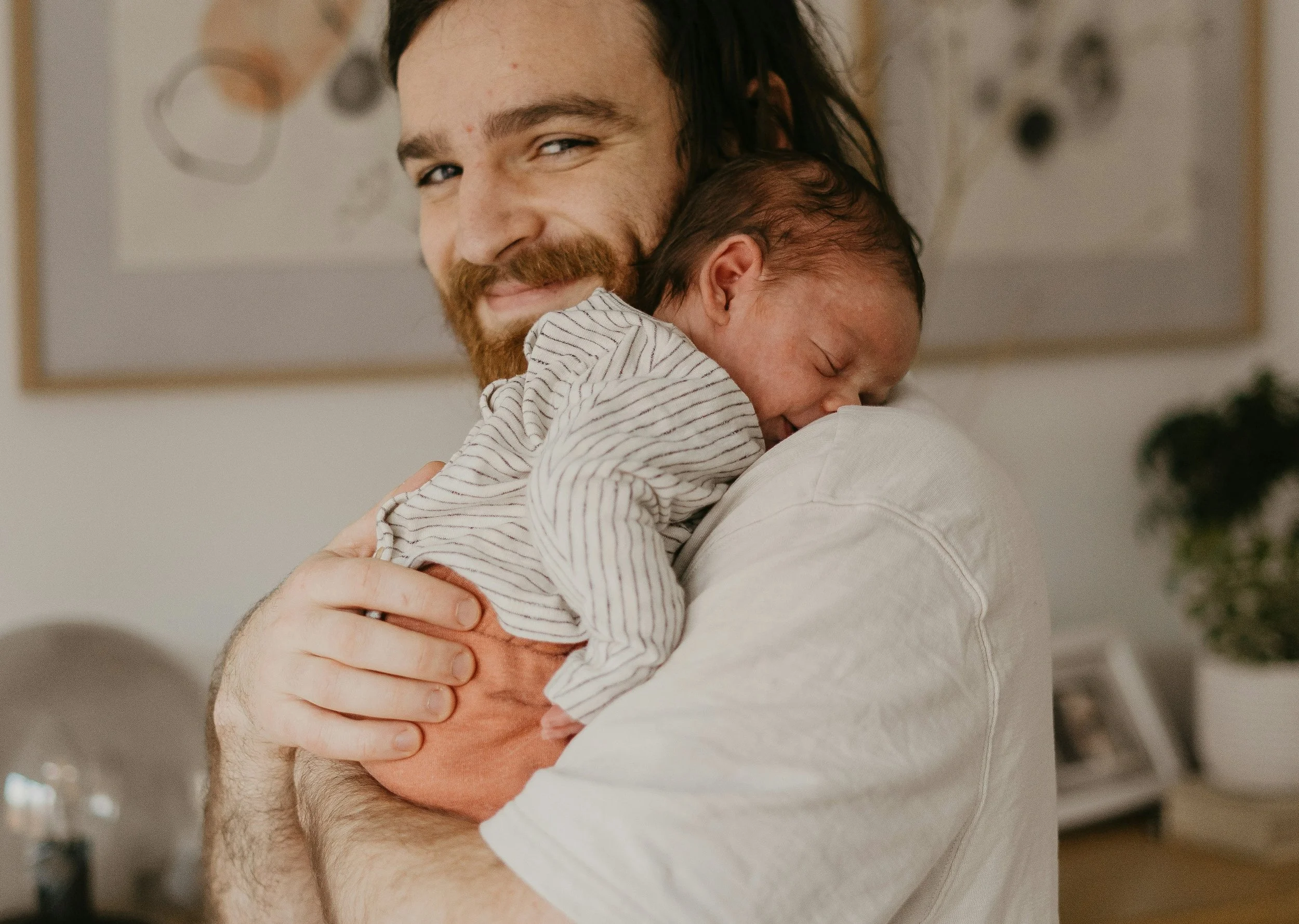
One of the most persistent myths in modern parenting is the idea that babies must learn to “self-soothe.” The phrase is often used to suggest that infants should be able to calm themselves independently – fall asleep alone, stop crying without help, and manage their emotions without intervention. But developmental neuroscience and attachment research tell a different story. Babies are not designed to regulate themselves in isolation. Instead, they rely on the nervous system of a trusted adult to help them manage overwhelming feelings.
This process, called co-regulation, is the biological foundation of emotional development.
The Immature Nervous System of a Baby
At birth, a baby’s nervous system is profoundly unfinished. While their body can breathe, digest milk, and respond reflexively to stimuli, the brain structures responsible for emotional regulation are still under construction. Regions like the prefrontal cortex—crucial for calming ourselves, shifting attention, and managing impulses—will continue developing well into early adulthood.
As a result, infants cannot reliably calm themselves when they experience distress. Hunger, fatigue, discomfort, overstimulation, and loneliness can all overwhelm their tiny nervous systems. Crying isn’t manipulation or habit formation; it’s communication. It’s the baby’s built-in alarm system asking for regulation from someone whose nervous system is already mature. When mom and dad are getting adjusted to help regulate and ensure a healthy, well-functioning nervous system, they are not only benefiting themselves but those they care for as well.
Regulation Happens Between People
When a caregiver picks up a crying baby, something remarkable happens on a biological level. The adult’s steady breathing, calm voice, warm body, and gentle movement send signals of safety to the baby’s nervous system. Heart rates begin to synchronize. Stress hormones decrease. The baby’s body gradually returns to a calmer state.
This is co-regulation in action.
Babies borrow the stability of the caregiver’s nervous system. Over thousands of these interactions—being held, soothed, fed, rocked, and comforted—the infant’s brain begins building the neural pathways that eventually allow for self-regulation.
In other words, self-soothing grows out of being soothed by someone else first.
Why the “Self-Soothing” Myth Persists
The idea that babies must learn to self-soothe often comes from cultural expectations about independence. In societies that value early autonomy, parents may feel pressure to encourage babies to sleep alone or stop crying without assistance.
But independence is not built through emotional isolation. Research in attachment theory consistently shows that children who receive consistent, responsive care tend to develop stronger emotional regulation later in life. When babies experience caregivers as reliable sources of comfort, they internalize that sense of safety.
Eventually, they learn to calm themselves—but only after years of co-regulated experiences.
What Babies Actually Need
Instead of expecting babies to self-soothe, it can be more helpful to think about providing regulated presence. This includes:
Holding or rocking a distressed infant
Speaking in a calm, reassuring tone
Responding consistently to cries
Offering physical closeness and touch
Maintaining a steady emotional presence
These actions are not “spoiling” a baby. They are literally shaping the developing brain.
HRV outcomes in Caregivers and their Babies
Consistent neurological chiropractic care can play an important role in supporting a caregiver’s ability to remain regulated and responsive to their children. The nervous system is responsible for coordinating stress responses, emotional regulation, and physiological stability—including patterns seen in Heart Rate Variability (HRV), a key indicator of how well the body adapts to stress. When caregivers experience chronic tension, overload, or dysregulation, their nervous system may stay in a heightened fight-or-flight state, making it harder to provide the calm, steady presence children rely on. Approaches within Chiropractic that focus on neurological function aim to support healthy communication between the brain and body, potentially improving regulation and resilience within the autonomic nervous system. When caregivers maintain a more balanced nervous system and healthier HRV patterns, they are better able to offer the consistent co-regulation that infants and children depend on while their own regulatory systems develop. In this way, caring for a parent’s nervous system is not just personal self-care—it can also become a meaningful investment in the emotional and physiological well-being of the entire family.
The Long-Term Outcome
Children who experience consistent co-regulation gradually internalize the patterns they observe. Over time, they begin to pause, breathe, and calm themselves using the neural circuits built through thousands of comforting interactions.
What appears to be independence later in childhood is actually the result of deep early dependence.
So when a baby cries and reaches for a caregiver, they are not failing to self-soothe. They are doing exactly what their nervous system is designed to do: seeking safety in connection.
And in that connection, the foundations of emotional resilience are quietly being built.