
Foundational chiropractic care, built around real life.
If you're reading this, you've probably typed something like "headache chiropractor Mankato" or "migraine relief Mankato" into Google. Maybe you've had a headache for three days and nothing is touching it. Maybe you've been living with chronic migraines for years. Maybe your doctor has mentioned chiropractic as something to consider and you're trying to figure out if it's a real option.
Wherever you're starting, we're glad you're here.
TOV Chiropractic in Mankato, MN offers gentle, neurologically-based chiropractic care for patients dealing with tension headaches, cervicogenic headaches, migraines, and related head pain. Many headaches have a structural component rooted in the upper neck and nervous system — the layer that gentle chiropractic care is specifically designed to support. Dr. Ethan Germscheid and the TOV team use Torque Release Technique, a low-force, instrument-based approach that is safe for teens, adults, pregnant patients, and seniors. Patients serious about addressing the pattern underneath their headaches often work alongside their primary care physician or neurologist, not instead of them.
The rest of this post covers what kinds of headaches we see most often in our Mankato office, when chiropractic care is a strong fit (and when it isn't), what to expect at a first visit, and how our work fits with the rest of your care. If you already know you're ready, you can book a first visit at tovchiropractic.com. If you'd rather understand what you're walking into first, keep reading.
Common Headache Patterns We See in Our Mankato Office
"Headache" is a broad category covering a lot of different experiences. Here are the patterns we see most often. If you're not sure what kind you have, one of these may describe it.
Tension Headaches
The most common type of headache, and the one most of our Mankato patients arrive with. Tension headaches often feel like a tight band around the head, pressure behind the eyes, or an ache at the base of the skull that creeps up and over. They're usually tied to posture, stress, screen time, and the physical patterns of modern desk work. Tension headaches tend to respond well to chiropractic care because the structural and muscular layers that drive them are directly addressable.
Cervicogenic Headaches
A specific type of headache that originates in the neck — specifically the upper cervical spine — and refers pain into the head. If your headaches are usually one-sided, start at the base of your skull, and get worse with certain neck positions, there's a good chance a cervicogenic component is part of your picture. These are among the headaches most directly connected to chiropractic care, because the upper neck is the exact area the care addresses.
Migraines
Different from tension and cervicogenic headaches in important ways. Migraines involve a specific neurological pattern — often with visual aura, nausea, light and sound sensitivity, and incapacitating pain that can last hours or days. We want to be careful about how we frame chiropractic and migraines, because chiropractic does not treat the migraine process itself. What chiropractic can do is address the physical and nervous system patterns that often serve as migraine triggers for sensitive patients — tight upper neck, poor sleep, chronic stress load, autonomic dysregulation. Many migraine patients find that supporting these layers reduces frequency and severity of attacks over time.
Post-Concussion Headaches
Headaches that linger weeks or months after a concussion are increasingly common, especially in athletes, car accident patients, and anyone who has had a significant head injury. Post-concussion care benefits from a careful, multi-disciplinary approach, and gentle chiropractic care is often part of that picture — particularly when upper cervical dysfunction is contributing. We work alongside your medical team in these cases, not independently.
Hormonal and Cycle-Related Headaches
For many women, headaches follow a cyclical pattern — showing up before periods, in the days after ovulation, during perimenopause, or in the postpartum stretch. The nervous system and hormonal systems are tightly connected, and when the regulatory layer underneath them is supported, cycle-related headaches often become less intense and less predictable.
Why Headaches Often Get Worse This Time of Year
A pattern we see every November and December in our Mankato office: patients who have managed their headaches reasonably well for most of the year start showing up with flare-ups right around the time daylight shrinks and the heating kicks on.
Several factors stack together to make late fall and winter a headache-heavy stretch. Desk work tends to intensify as outdoor activities drop off — more hours hunched over a laptop, more neck strain, more upper back tension. Dry indoor heat affects hydration and sinus pressure. Reduced daylight shifts sleep patterns in ways that often degrade sleep quality. Holiday travel and family logistics raise the overall stress load. For many patients, the end-of-year grind at work piles on top of all of it.
None of these on their own would necessarily tip a stable system into a bad headache stretch. Stacked together over several weeks, they often do. If your headaches have gotten noticeably worse since October, you're not imagining it — and this is actually one of the better times of year to address the underlying patterns, before the compounding gets any worse.
H2: Why Headaches Often Have a Neck Component
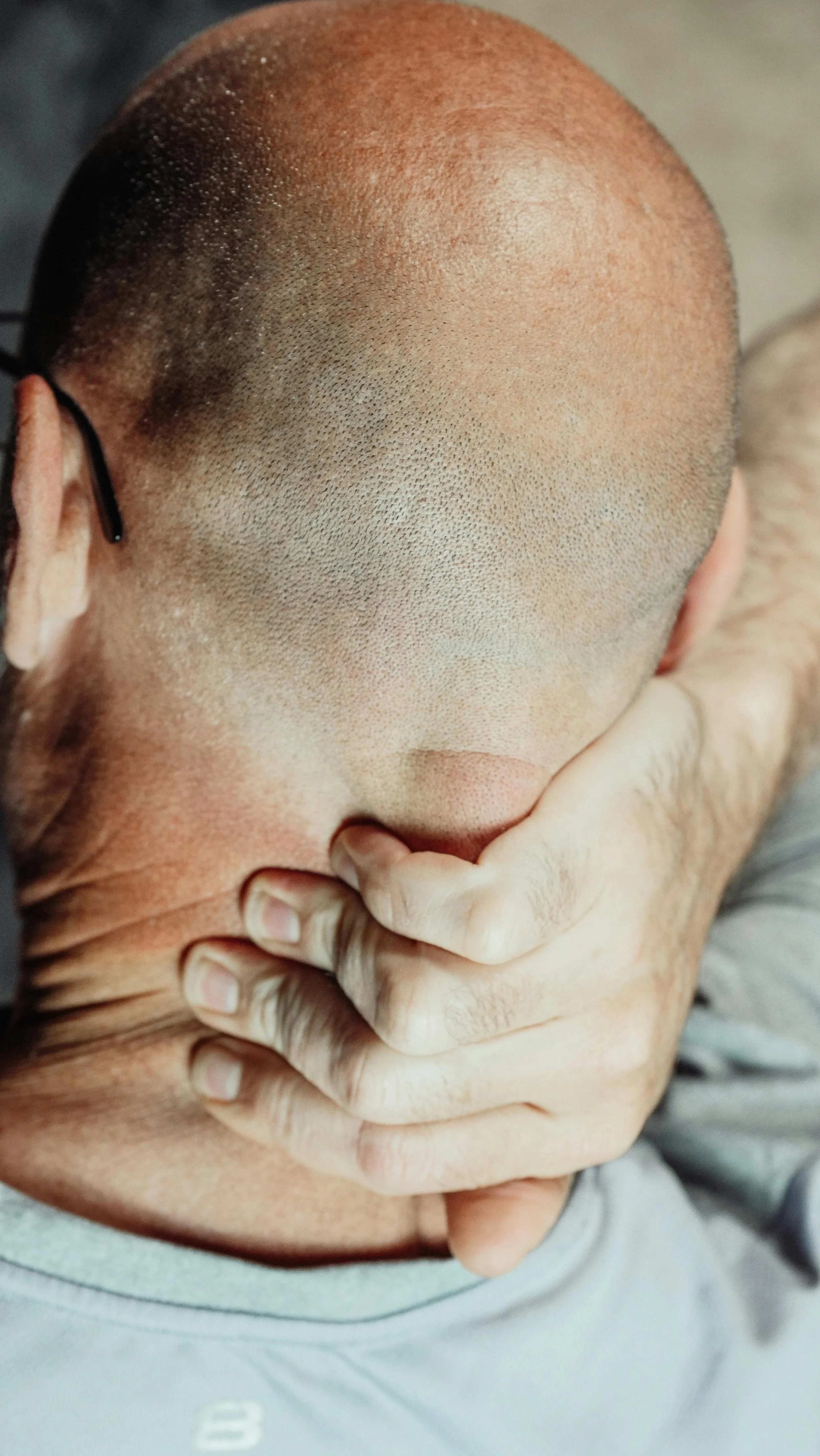
One of the things that surprises patients most is how often their headaches are rooted in their neck rather than in their head. The upper cervical spine — the top two vertebrae and the tissues around them — is extraordinarily close to the nerves, blood vessels, and brainstem structures that regulate head pain. When those upper cervical segments aren't moving well, the local nerves can get irritated and the muscles can tighten in ways that produce headache after headache.
This is also why headaches often cluster with other symptoms — neck stiffness, jaw tension, upper back tightness, eye strain. They're not separate problems. They're the same regional pattern showing up in different ways.
If back pain is also part of your picture, our previous post on back pain and chiropractic care in Mankato walks through the connected pattern.
When to See a Chiropractor for Headaches
Chiropractic care tends to be a strong fit for headaches when:
Your headaches are frequent (more than once or twice a week) or chronic (lasting weeks to months)
You can identify a neck or upper back component — stiffness, tension, pain at the base of the skull
Your headaches cluster with desk work, poor sleep, or stress stretches
Over-the-counter medication is working less well than it used to, or you're taking it more often than you want to
You've been diagnosed with cervicogenic or tension-type headaches
You have migraines and want to address the structural and nervous system layers that may be contributing to triggers
Chiropractic care is less likely to be the right first step if your headaches came on suddenly and severely, if they're accompanied by neurological symptoms (vision changes, speech issues, weakness on one side), or if they're the worst headache of your life. In those cases, see a medical provider first — we'll touch on this more below.
What TOV's Approach to Headache Care Looks Like

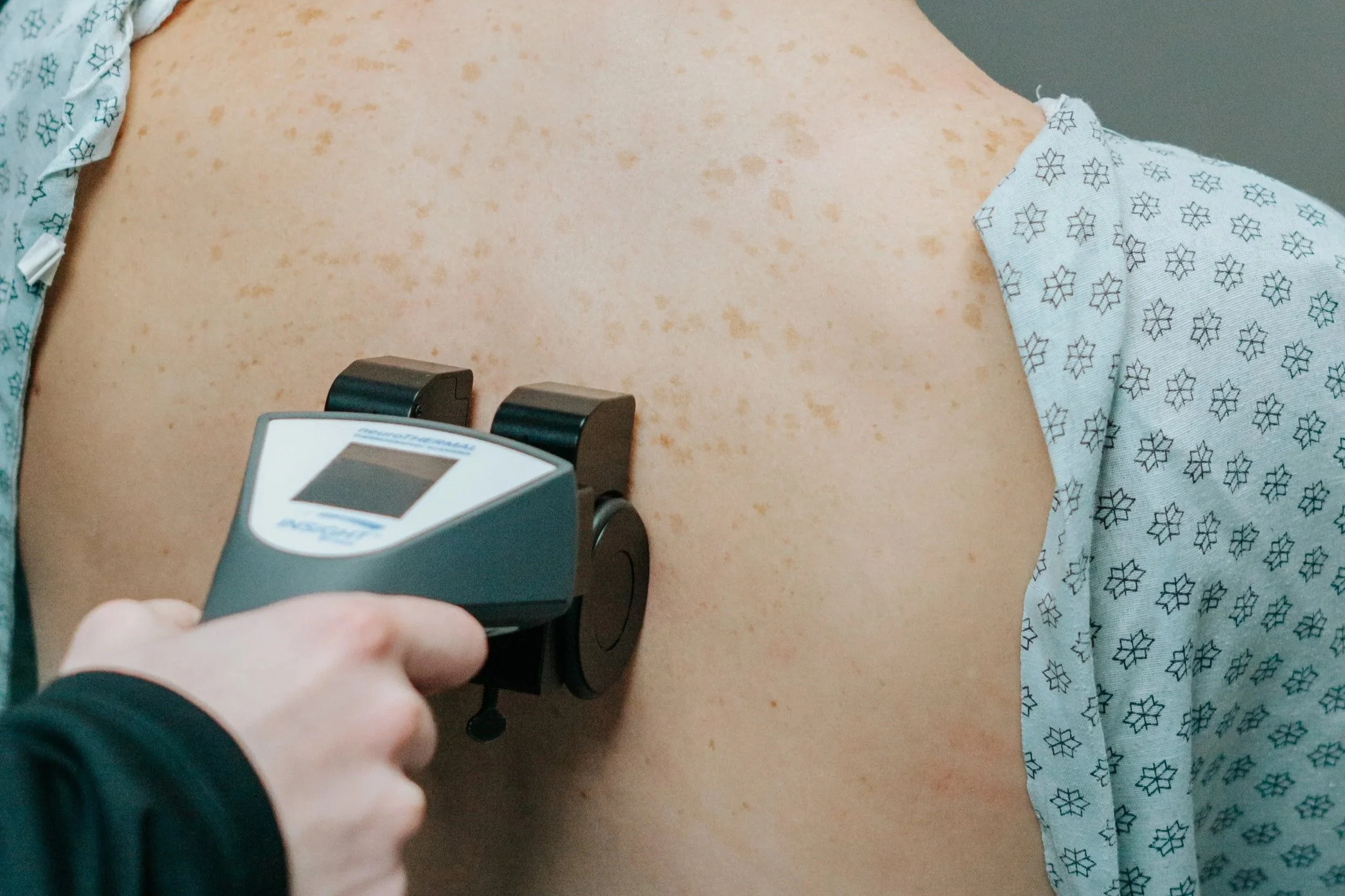
At TOV Chiropractic in Mankato, we use Torque Release Technique — a gentle, precise, low-force approach that uses a small handheld instrument to deliver specific input to the spine. There's no twisting, no popping, no dramatic neck manipulation. Many patients who come in nervous about chiropractic — especially people whose headaches have made them wary of anything touching their neck — are surprised by how subtle the actual care is.
We also don't take a one-size-fits-all approach. A tension headache in a 40-year-old desk worker calls for a different plan than a chronic migraine in a 28-year-old new mom, which calls for a different plan than a post-concussion headache picture in a high school athlete. We start with a thorough evaluation of your specific history, pattern, and current picture, and we build a plan that fits what you're actually dealing with.
We're not going to promise your headaches will disappear. What we can offer is a careful, gentle, individualized approach that has helped many patients across Mankato and the surrounding area find meaningful relief — often after other approaches hadn't quite gotten them there.
Ready to book? You can schedule a first visit at tovchiropractic.com, or call our office to talk with our team. We serve Mankato and the surrounding area.
What to Expect at Your First Visit
A first visit at TOV takes about 45 minutes to an hour.
You'll fill out paperwork — health history, headache pattern, current medications, previous care. If you'd rather do this ahead of time, we can send it before you arrive.
Then we talk. When did the headaches start? How often do they happen? What do they feel like? What makes them worse or better? What have you tried? Are you working with a neurologist or PCP already? How are your sleep, stress, screen time, posture? We want the full picture before we touch anything.
From there, we do a careful physical evaluation. We look at how your neck and upper back move, how your nervous system is functioning, where structural patterns and restrictions are. It's gentle. Nothing hurts.
If we think our care is a fit for your situation, we'll walk you through our recommendation — how many visits, what to expect, what kind of changes to watch for and when. If we think another type of care should be the first step — a referral to a neurologist, imaging, a specific medical workup — we'll tell you plainly.
How Chiropractic Fits With Your Neurologist, PCP, and Medication
Chiropractic care for headaches works best as part of a broader picture, not as a replacement for the medical care you may already be getting.
If you're seeing a neurologist for migraines, keep seeing them. If you're on preventive medication, triptans, or any other prescribed treatment that's helping you function, keep taking it. Nothing we do asks you to come off anything, and we don't make medical claims that would compete with your prescriber.
What we offer is a layer underneath your current care — the structural and nervous system layer that often doesn't get addressed in a standard headache workup. Many patients find that supporting that layer makes their existing care work better. Their medication is more effective. Their triggers get less sensitive. Their headache frequency drops over time.
We're happy to communicate with your medical team if that helps everyone stay coordinated.
When a Headache Is a Sign of Something More
Most headaches aren't dangerous. But a small percentage are, and we want you safe. Please see a medical provider — or go to an emergency room — rather than booking a chiropractic visit first if you're experiencing any of the following:
The worst headache of your life, especially if it came on suddenly
A headache accompanied by vision loss, slurred speech, confusion, or weakness on one side of the body
Headache after a significant head injury
Headache with fever, stiff neck, and sensitivity to light
A new type of headache you've never had before, especially after age 50
Headache that wakes you from sleep or is dramatically worse in the morning
Headache accompanied by unexplained weight loss or persistent nausea
These are rare, but they can signal conditions that need medical attention. If you're not sure whether your situation warrants medical evaluation, err on the side of getting checked out first.
What Our Mankato Patients Often Notice
Patients who come to TOV for headaches usually hope for one thing: fewer headaches. And often, over time, that's what they see. But what tends to shift first is often something different.
Sleep improves. The muscle tension that was carrying over into the night releases. Patients wake up less often with a headache already starting.
Neck and upper back ease up. The constant guarded quality in the shoulders starts to unwind.
The headaches that still happen are often less intense. The ten out of ten becomes a seven. The seven becomes a four. The ones that used to wreck a whole day become ones they can work through.
And eventually — not always quickly, but often — frequency drops. The two headaches a week become one. The one becomes an occasional. Patients stop organizing their lives around when the next headache might land.
Frequently Asked Questions
Q: Can a chiropractor really help with migraines?
A: Chiropractic care doesn't treat the migraine process itself, but it can support the structural and nervous system patterns that often serve as migraine triggers. Many migraine patients find that gentle chiropractic care, used alongside their neurologist's recommendations, reduces frequency and severity of attacks over time. It's not a cure, but it is often a meaningful part of a bigger picture.
Q: How many visits does it take to notice a difference?
A: Every patient is different, but most people start noticing shifts within four to six visits — often in sleep, muscle tension, or headache intensity before frequency changes. Chronic patterns that have been running for years sometimes take longer to settle. We'll give you an honest estimate specific to your situation at your first visit.
Q: Is chiropractic for headaches safe during pregnancy?
A: Yes. Gentle, low-force techniques like Torque Release Technique are considered safe throughout pregnancy, and many pregnant patients in Mankato come to us specifically for pregnancy-related headache patterns. We tailor care to your trimester and specific picture.
Q: Will chiropractic interfere with my migraine medication?
A: No. There's no known interaction between gentle chiropractic care and migraine medications — preventive or acute. You can stay on everything your prescriber has you on. We'll never ask you to stop or change a medication; that's a conversation for you and your doctor.
Q: I'm nervous about anyone touching my neck. Is this safe?
A: Understandable concern — and worth naming. The Torque Release Technique we use involves no twisting, no popping, and no forceful neck manipulation. The adjustments are made with a small handheld instrument that delivers a precise, low-force input. Most patients who are nervous about chiropractic are surprised by how subtle it actually is. If anything doesn't feel right during a visit, we stop and talk about it.
Ready to Book?
If you're a Mankato-area resident dealing with headaches or migraines and you're ready to see what we can do for you, the easiest place to start is a first visit at TOV Chiropractic.
You can book online or call our office to talk with our team. We'll get you scheduled at a time that works, walk you through what to expect, and answer any questions before you come in.
Our office is located at 1813 Adams Street in Mankato. We serve patients from Mankato, North Mankato, Eagle Lake, Mapleton, St. Peter, and the surrounding communities within about 20 miles.
Whether you decide to book with us or not, we hope this post gave you useful information about what chiropractic care for headaches and migraines actually looks like, and what to think about as you decide on your next step. Headaches don't have to be your normal. We'd be glad to help you figure out what's actually going on and what to do about it.